
Michigan’s 2026 U.S. Senate contest is shaping up to be one of the most consequential races in the nation, and one of the issues dividing candidates is how to approach Immigration and Customs Enforcement (ICE) and federal immigration enforcement tactics — especially in the wake of heightened concerns about law enforcement use of force.
With incumbent Democratic Senator Gary Peters stepping aside at the end of his term in 2026, the open seat has attracted a crowded field from both parties — each offering starkly different visions for how the state and nation should handle immigration policy and federal enforcement.
Here’s a close look at where key contenders stand on ICE and broader immigration enforcement — a topic that has drawn fresh scrutiny from voters and advocates alike.

Democratic Contenders: Reform First, Enforcement Second
On the Democratic side, policy debates around immigration reflect a broader push for reform-oriented approaches and more oversight of federal agencies like ICE.
Abdul El-Sayed: Abolition and Broad Reform
Former state health director and national progressive voice Abdul El-Sayed has embraced a more expansive critique of ICE, at times calling for significant restructuring or even abolition of the agency. His campaign rhetoric frames ICE as overdue for reform and accountable to community standards of justice — a stance that resonates with some younger and progressive voters but has drawn intense pushback from conservative commentators.
While El-Sayed’s exact policy prescriptions are still evolving, his messaging signals a clear departure from traditional enforcement-first approaches — prioritizing humane treatment of immigrants and a shift toward legal pathways and protections.
Haley Stevens and Mallory McMorrow: Balancing Security and Compassion
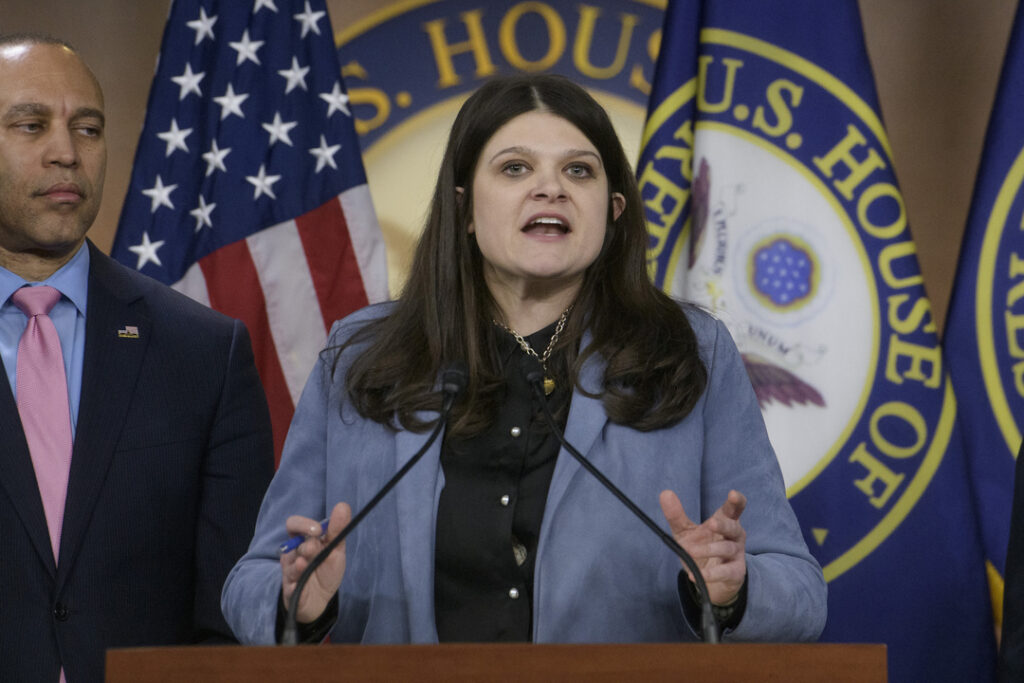
Two other leading Democratic candidates — Rep. Haley Stevens and State Senator Mallory McMorrow — have taken more moderate stances. Both emphasize the need for border security but argue that enforcement should be paired with common-sense reforms.
Stevens, a U.S. House member and national security policy supporter, frames immigration as a matter of both rule of law and economic necessity; she advocates for updating the legal immigration system and enhancing oversight of enforcement actions. McMorrow similarly calls for humanitarian considerations alongside robust border controls — a middle path aimed at combining security with fairness.
Republican Contenders: Law and Order at the Border
Michigan’s Republican candidates generally support stronger immigration enforcement and greater cooperation with federal authorities.
Mike Rogers: Enforcement First
Former U.S. Representative Mike Rogers has made immigration enforcement a cornerstone of his platform, framing open borders as a threat to public safety and economic stability. Rogers supports strengthened cooperation with ICE and broader federal enforcement — including bolstering resources for border security and cracking down on illegal crossings and overstays.
This position aligns with broader national GOP messaging that frames strict enforcement as essential to public order and national sovereignty.
Other GOP Voices
While the majority of Republican contenders have echoed Rogers’ emphasis on enforcement, specifics vary: some call for penalties on localities that refuse to cooperate with ICE, a controversial idea that has emerged in state politics when sheriffs in some Michigan counties limited cooperation with federal agents.
Immigration Enforcement: A Flashpoint in a Competitive Race
As this Senate contest continues to develop, the debate around ICE and immigration policy points to a larger divide across Michigan’s political landscape. While Democrats wrestle with questions of reform and accountability, Republicans emphasize law enforcement and border security.
Experts note that immigration — along with the cost of living, reproductive rights, and national security — is one of the key issues likely to shape voter sentiment in 2026. University of Michigan policy analysts say that how each candidate positions themselves on enforcement and reform could be decisive, particularly in a state that voted narrowly for Donald Trump in 2024 yet has a long Democratic Senate history.
The outcome of this race could not only decide Michigan’s Senate representation, but also influence national policy debates on immigration enforcement and federal authority moving into the next Congress.