
In a troubling case that shines a spotlight on the darker uses of artificial intelligence and online harassment, a Michigan man has pleaded guilty to federal cyberstalking charges tied to the use of AI-generated explicit images. The case — one of the first to link AI image synthesis directly to a criminal harassment campaign — shows how quickly emerging technology can be weaponized to intimidate and control others online.
Unprecedented Use of AI in Online Harassment
On Tuesday, 37-year-old Joshua Stilman of Commerce Township, Michigan, entered a guilty plea to one count of cyberstalking before a federal judge in the Eastern District of Michigan. U.S. Attorney Jerome F. Gorgon and FBI officials announced the plea, which stems from a chilling pattern of online abuse that used artificial intelligence to generate unauthorized sexually explicit content of a social media influencer — referred to as “Victim-1” to protect her identity.
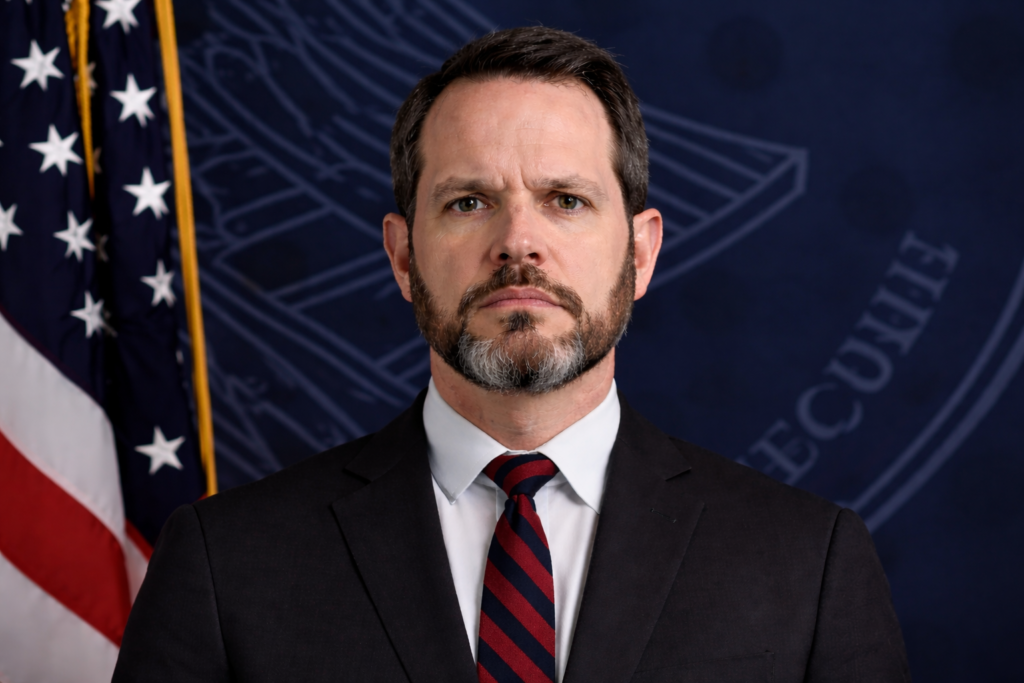
From February through March 2025, prosecutors say Stilman created AI-generated nude and sexually graphic images of the victim using photos available on the internet. He then used private social media messaging to repeatedly contact the victim, repeatedly asking about her personal sexual preferences and threatening to release the explicit AI content to her nearly 100,000 social media followers if she did not continue responding to him.
The disturbing pattern reflects a broader trend in cyber harassment where technology once touted for creativity and productivity is being repurposed for harm.
Legal Consequences and What Comes Next
Sentencing for Stilman is scheduled for May 21, 2026. Under federal law, cyberstalking carries a maximum prison term of five years — though sentencing decisions will depend on judicial discretion, circumstances of the offense, and victim impact.
This case also highlights how cyberstalking and online harassment are prosecuted differently under state and federal law. Traditional Michigan stalking statutes typically cover repeated unwanted contact or threatening behavior that causes a person to feel terrorized or harassed. Under those Michigan statutes, cyberstalking may be treated as a prosecutable offense — sometimes a misdemeanor, but potentially a felony with up to five years imprisonment if certain conditions are met.

Emerging Cyber Threats and Law Enforcement Response
Federal authorities took a particularly aggressive stance in this investigation. Officials from the FBI’s Detroit Field Office — including Special Agent in Charge Jennifer Runyan — noted that the integration of artificial intelligence into the online attack made the case especially serious, emphasizing that hiding “behind a keyboard to intimidate and harass another person is an act of cowardice.”
The case began long before the plea — neighbors reported a high-profile federal raid at Stilman’s Commerce Township home last fall, during which FBI agents in tactical gear reportedly forced entry as part of an investigation into extortion and cyberstalking tied to AI-generated images.
The Rise of AI-Driven Harassment
Stilman’s crime is part of a broader shift in how harassment cases are unfolding. Law enforcement and legal experts increasingly confront scenarios where modern technology — including deepfake images, synthetic media, and automated messaging bots — is used to harass, extort, or terrorize individuals. Cases like this raise urgent questions about digital privacy, AI regulation, and victim protections in an era when technology can fabricate incredibly realistic content with minimal effort.
Legal specialists warn that while current laws cover many forms of cyber abuse, rapid technological change is testing the boundaries of existing statutes and judicial interpretation.
Victim Impact and Digital Safety
While prosecutors did not publicly identify the victim, the psychological effects of such harassment are profound. Cyberstalking — especially when it involves digital impersonation or the threat of public exposure — can cause long-lasting trauma, reputational harm, and professional consequences for victims. Civil liberties and privacy advocates argue that the psychological dimension of online harassment deserves equal weight in sentencing and public policy discussions.
Policy and Protection
Stilman’s plea represents a rare instance in which law enforcement has explicitly connected artificial intelligence with criminal cyberstalking. As AI tools become more widespread and capable, attorneys, lawmakers, and advocacy organizations are calling for clearer legal frameworks to deter misuse and protect vulnerable individuals.

In Michigan and across the U.S., cyberstalking laws continue to evolve. State statutes define stalking broadly and include provisions that impose felony penalties if the defendant’s conduct causes the victim to feel terrorized, frightened, intimidated or threatened.
Federal prosecutors have emphasized that cases like Stilman’s — which combine modern technology with intimidation and threats — illustrate the need for vigilant enforcement and updated legal strategies in an age where digital harassment often transcends state and national borders.