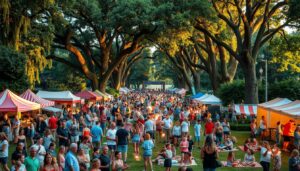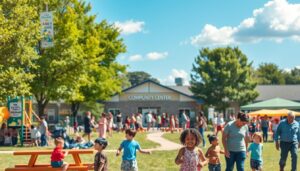
Remember when public spaces felt like exclusive clubs? Those days are ending fast. Something revolutionary is happening in our parks – and it’s about damn time.
Clarkston and Oakland County are doing more than just adding ramps. They’re reimagining what community spaces can be. We’re talking about adaptive recreation programs that actually understand the assignment.
They have certified therapeutic specialists and barrier-free philosophies. The message is clear: everyone gets to play. It’s like they realized that designing for the edges benefits the center.
This isn’t just about making room for everyone. It’s about celebrating neurodiversity. And honestly? It’s about time our public spaces caught up with what true community actually means.
Adaptive Program Types
Welcome to a place where every activity is tailored just for you. Our inclusive programs are more than just accessible. They’re designed for everyone, no matter their abilities.
Our adaptive golf clinics are a blast, minus the scary parts. We provide clubs and let you play without worry. It’s more fun than you’d think.
At Disability Dirt Days, the fun is in the mud. It’s like Mad Max meets Mr. Rogers. And it’s amazing.
Our TR Buddy Soccer pairs players with buddies for a heartwarming experience. Our Wheelchair Hockey League shows you can have fun without standing. It’s Michigan’s only adaptive floor hockey league.
And there’s even more (in my best infomercial voice):
- Dance therapy sessions that show rhythm is in your soul
- Sensory-friendly sports leagues that are just too much fun
- Art programs that celebrate all kinds of creativity
These aren’t pity parties. They’re experiences designed for everyone. It’s like a choose-your-own-adventure book of fun.
Want to know more about our inclusive programs? Check out our guide on adaptive recreation.
The magic is in the details. We use modified equipment and adjust rules. Our staff is trained to make sure everyone has a great time.
These programs are the best kind of innovation. They make life more enjoyable for everyone. It’s all about making things better for everyone.
Sensory-Friendly Events & Hours
The quiet revolution in entertainment isn’t streaming services. It’s venues learning to turn down the volume. Sensory-friendly hours show when businesses design for humans, not just one size fits all.
Chuck E. Cheese’s Sunday mornings are a lesson in manners. They make it quiet, like a brunch, not a Times Square New Year’s Eve. The pizza is the same, but the experience is different.
LEGOLAND and SEA LIFE Aquarium have sensory-friendly mornings. The lights are dim, and the noise is low. The staff is bright and understanding, making wonder without overwhelm.
AMC Theatres works with the Autism Society for special showings. You can dance during the movie. It’s like a jazz club in the cinema.
Allegan Event’s Tuesday Sensory Adventure is peaceful. They turn off the flashing lights and loud sounds. It shows excitement doesn’t need to be loud.
This isn’t about excluding anyone. It’s about making space for everyone to have fun. These places have figured out adaptive recreation Clarkston style. They know joy can be found in quiet.
These changes help everyone. Parents, children, and even casual visitors enjoy without the noise. It’s a better experience for all.
It’s like having your cake and eating it too. But you might enjoy it more in a quieter room. And honestly, the cake tastes better that way.
How to Request Accommodations
Getting accessibility support shouldn’t be hard. Most recreation departments now want to help. They’ve moved from “we don’t do that here” to “how can we make this work?”
Oakland County Parks is a great example. They offer so much help, it’s like they knew what you needed before you did. But, you have to ask first.
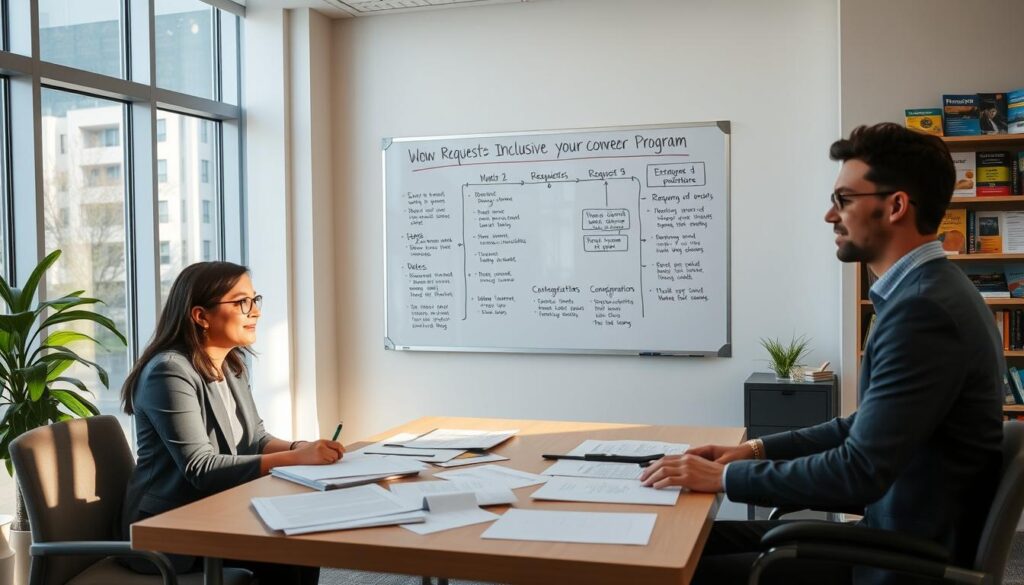
Canton Leisure Services shows what happens when inclusion is a big part of a place. They make getting help feel normal, not like a big deal.
The process is simple:
- Identify your program – it’s like picking a Netflix show
- Check adaptive status – many programs already have accessibility
- Contact the specialist – therapeutic recreation experts are ready to help
- Have the conversation – where the magic happens
Most places believe it’s better to ask than assume they can’t help. It’s like “closed mouths don’t get fed” but with participation instead of food.
The key is, these talks are about possibilities, not limits. Program coordinators love solving puzzles. Your input is the missing piece.
Pro tip: ask early. Last-minute requests can be tough, like trying to park a cruise ship.
Remember, accessibility isn’t about getting special treatment. It’s about equal access to fun. These programs exist because someone asked first, making it easier for others.
Staff Training
Ever wonder why some programs run smoothly while others seem chaotic? The key is intensive staff training. It’s what Navy SEAL instructors would approve of.
Oakland County’s adaptive recreation Clarkston programs don’t just hire anyone. They invest in the Michigan Autism Safety Training (MAST) program through Autism Alliance of Michigan. This isn’t your typical “don’t forget to smile” orientation. They learn to read non-verbal cues better than a poker champion reads bluffs.
Chuck E. Cheese’s sensory training can’t compare to our team’s skills. While they’re learning about noise sensitivities, our staff are mastering communication techniques. They can understand non-verbal cues better than anyone.
Certified therapeutic recreation specialists coordinate these programs with precision. They don’t just plan activities – they create experiences. They can spot overwhelm before it happens and build connections.
This training turns staff into true allies. They don’t just follow rules; they understand the reasons behind them. They adapt and build trust.
The outcome? Programs that celebrate and empower everyone. When staff truly get it, everyone wins.
Registration & Scholarships
Let’s talk about the money side of inclusive programs. It’s not just about making things accessible. It’s also about making sure everyone can join without breaking the bank.
Many programs are free, which is amazing. When they do cost money, scholarships help out. It’s like finding extra cash in your old clothes.
The way you sign up for these programs has changed a lot. No more complicated paper forms. Now, you can:
- Use online systems that work
- Get clear instructions that are easy to understand
- Talk to real people who can help
Some programs even offer extra help or discounts for siblings. They get that helping one family member helps everyone. It’s a win-win situation.
| Program Type | Typical Cost | Scholarship Availability | Registration Method |
|---|---|---|---|
| Adaptive Sports Leagues | Free – $50 | Widely available | Online portal |
| Sensory Programs | Free | Not applicable | Email registration |
| Therapeutic Arts | $25-75 | Need-based options | Phone/online hybrid |
| Family Events | Free – $20 | Sibling discounts | Walk-in/online |
It’s not just about not paying. Some programs have partnerships for scholarships. They cover everything from gear to getting there. It’s like having a magic helper for fun activities.
When you need to show proof, it’s usually simple. It’s not like filling out a whole application for citizenship. They just want you to have fun.
There are deadlines, but they’re flexible. They know life with disabilities is unpredictable. It’s a rare time when the system works with you, not against you.
So, signing up for these programs is easy. It’s like walking into a warm welcome. It’s a big change for the better.
Community Partners
Building an inclusive recreation program is a big job. It needs a team working together perfectly. It’s like the Avengers, but with more community help.
Oakland County Parks has teamed up with over 30 groups. This is more than just working together. It’s a huge success for everyone involved.
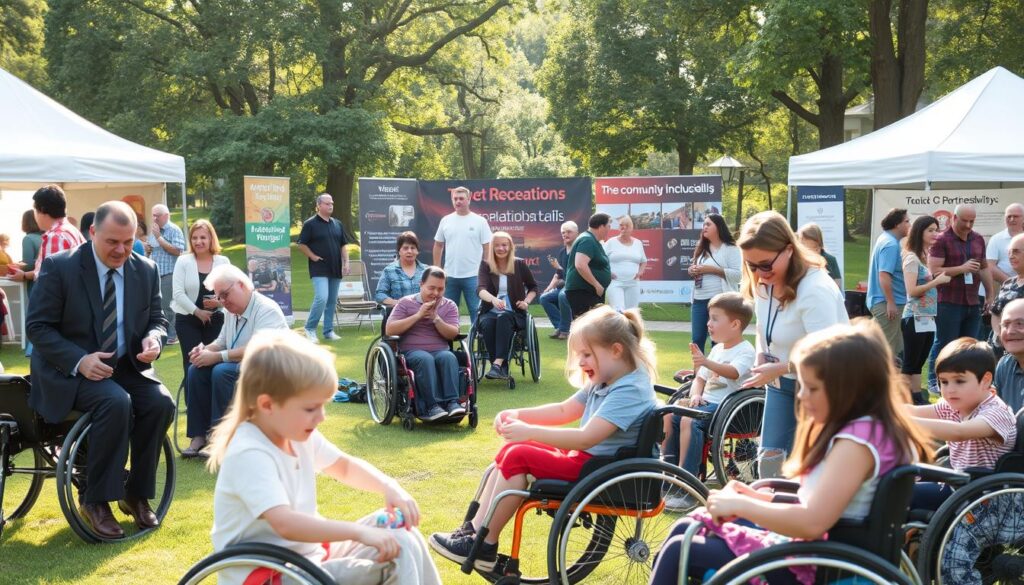
The Autism Alliance of Michigan offers amazing workshops. Their help makes adaptive recreation Clarkston programs real and useful.
Local businesses like Chuck E. Cheese and AMC Theatres are also helping. They show that helping the community can really change lives.
This network is like a safety net for everyone. It’s all about making a real difference in people’s lives. It’s not just meetings, it’s action.
| Partner Type | Organization Examples | Contribution Area | Impact Level |
|---|---|---|---|
| Non-Profit Agencies | Autism Alliance of MI | Workshops & Training | High Impact |
| Educational Institutions | Local School Districts | Program Development | Medium Impact |
| Corporate Partners | AMC Theatres | Sensory-Friendly Events | Community Reach |
| Sports Organizations | Adaptive Sports Clubs | Specialized Equipment | Participation Growth |
These partnerships show that adaptive recreation Clarkston is a community effort. It’s not just a program. It’s a way of life.
This effort creates a support system for everyone. It’s something that would make Mr. Rogers very proud. And maybe a little jealous.
Accessibility Review
Let’s explore what real accessibility means beyond the basics. ADA compliance is like passing a test with the minimum score. It’s technically right but not very exciting. True inclusive programs show empathy in design, meeting needs before they’re asked for.
Think about barrier-free playgrounds that become magical places for everyone. We’re talking about:
- Ramped play structures that welcome wheelchairs and walkers alike
- Sensory-rich equipment that engages different neurological needs
- Ground surfaces that actually work for mobility devices (not just wood chips)
- Quiet zones where overstimulated kids can recharge
Places like Scarlet’s Playground in Commerce Township didn’t just add features – they built inclusion into their DNA. The result? Spaces where disabled and non-disabled kids play together without barriers. It’s like a perfectly mixed cocktail – every element works together.
Facility modifications also show brilliance when done right. Visual schedules for neurodiverse visitors. Adaptive equipment that would make MacGyver proud. Staff trained to understand that sometimes the best accommodation is simply patience.
The magic happens when designers realize: building for disability often means building better for everyone. Curb cuts help parents with strollers. Clear signage benefits non-native speakers. Quiet rooms offer respite for migraine sufferers. True accessibility isn’t special treatment – it’s just good design.
Event Day Checklist
Ever tried putting together IKEA furniture without the manual? That’s what event day feels like without a plan. The key isn’t perfection—it’s preparation.
Start with “sensory recon.” Is the venue loud like Times Square or calm like a zen garden? Most events have checked this already. But it’s good to double-check. Remember, ear defenders are great for those who are sensitive to sound.
Your go-bag should be like a survival kit. Include comfort items, snacks that won’t upset anyone, and a patience stash. Being hangry is a big deal at these events.
Arriving early is more important than being fashionably late. Get there early to help your participant get used to the place. It’s about finding comfort before the fun starts.
Talk to staff clearly. They’re waiting to hear what you need. Being specific makes your experience better in adaptive recreation Clarkston programs.
Manage expectations like a Hollywood agent. It’s not about winning medals; it’s about enjoying the moment. Some days are great; others are funny mistakes.
Remember, adaptive recreation Clarkston is about making moments possible. The real win is showing up and participating.
Parent Stories
Brochures promise. Mission statements declare. But real change? That’s seen when a child who’s always been on the sidelines joins the game.
The Anderson family found this at Crested Butte. Their daughter Zoe, with ADHD and a nerve disorder, found a place where she belonged. She was part of an adaptive sports program where she felt accepted. No one judged her. She was there to stay.
Inclusive programs change lives. They turn “you can’t” into “how can we make this work?” They make therapy fun and turn barriers into starting lines.
These stories show that accessible design doesn’t lower standards. It opens up new possibilities. It makes families like the Andersons feel like they belong.
The true measure of a community isn’t its athletes. It’s how it welcomes those who need ramps instead of stairs. That’s where inclusion starts – with parents seeing their kids fit right in.