We’ve all seen that heartwarming clip. A toddler gives a flower to a nursing home resident. It goes viral, and we all say “aww.” But what happens after the camera stops?
Is it just for a quick feel-good moment, or is it something more? I believe it’s the latter. We should aim for lasting connections, not just quick acts of kindness.
Projects like Engage at Every Age understand this. They’re based on a simple truth: we need each other across all ages. It’s not about pity visits. It’s about building lasting bonds.
For kids, it’s a chance to learn from a “Grandfriend.” They get to see the world through someone’s eyes who’s lived a lot. For seniors, it fights off the loneliness that can harm their health.
The benefits are huge and go both ways. It’s not just about visiting a senior center. It’s about strengthening our community, one real connection at a time.
Popular Programs: Where Crafts, Games, and Stories Build Bridges
Think ‘intergenerational event’ means boring talks over weak tea? Think again. The best events use shared, focused activity to connect people. It’s not just about putting different ages in a room. It’s about giving them a common goal.
These events are simple yet powerful. They fall into three main categories.
- Craft Days: It’s not just making art. It’s about learning from each other. A senior teaches a child to wood-burn. Or, they share knitting skills. It’s a quiet way to talk and learn.
- Game Socials: Games like Uno can unite people of all ages. They laugh and joke, forgetting their age gap. It’s a fun way to see different ways of thinking.
- Story Swaps: This is where stories come alive. Kids talk about their favorite games. Seniors share stories from their past. It’s a way to build a shared world.
Age-friendly Peterborough’s “Big G” initiative is a great example. They pair older adults with kids for fun activities. The older adults guide and share wisdom through these activities.
They meet in a place that feels like home to everyone. This place, like Activity Haven, is a community space. It helps everyone feel like they belong.
The real magic happens in the moments between. It’s the smile when someone rolls a six. The patience in teaching a new skill. The wonder in hearing a story from the past. These moments create lasting connections.
Registration, Accessibility, and Caregiver Notes
Philosophy is great, but logistics are what get you through the door—here’s the real-world playbook. Signing up for an intergenerational event isn’t like registering for a yoga class. It’s more akin to a thoughtful, platonic matchmaking service.
Organizers often curate pairs or small groups. They consider shared interests and complementary personalities. This ensures the connection has a real chance to spark.
Now, let’s talk accessibility. A truly inclusive senior center or community hall thinks beyond the wheelchair ramp. Real access means sensory-friendly lighting for those easily overwhelmed. It means clear, slow speech for attendees with hearing loss.
It also means smart scheduling. The best programs avoid the post-lunch “nap vortex” for kids and the late-afternoon energy dip for older adults. This is the holistic view of an age-friendly community.
Resources like the Peterborough Senior Service Directory exist to help find this kind of supportive environment. The goal is to meet basic needs so everyone can stay mobile, engaged, and present.
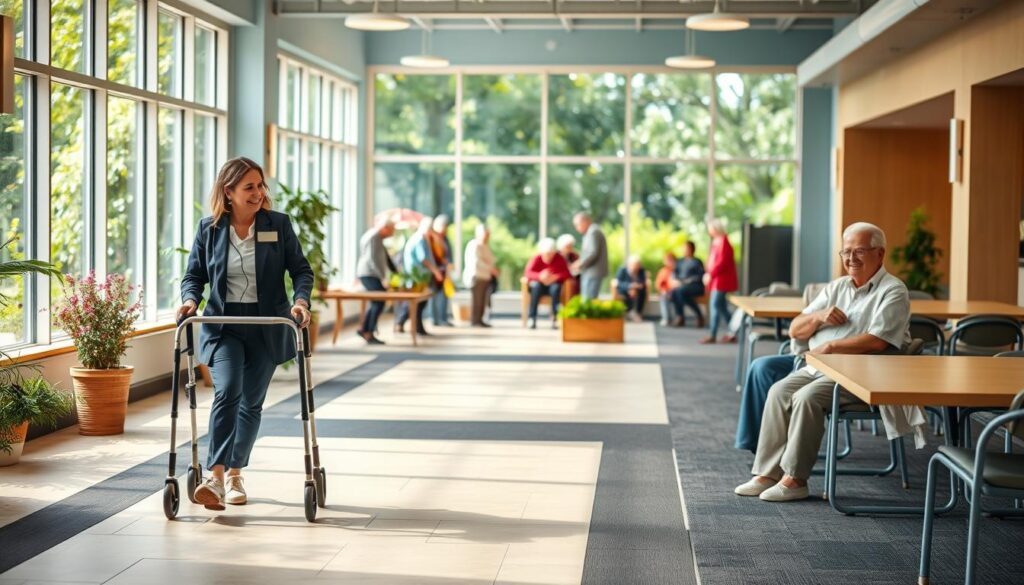
This brings us to you, the caregiver. Your role is not just to drop off a package. You are the bridge, the translator, and the gentle facilitator.
You might need to explain a TikTok trend to a curious grandfriend. You could help an elder use their smartphone camera to capture a moment. Your presence provides a safety net that allows genuine connection to flourish.
So, what’s in the essential kit? Pack patience, in industrial quantities. Bring a water bottle and some quiet fidget toys. Most importantly, bring an openness to see your loved one—whether child or elder—in a completely new social light.
When the logistics are handled with this much intention, the magic isn’t just possible. It’s practically inevitable.
Conversation Starters and Activity Kits
Creating deep connections between generations isn’t about small talk. It’s about finding common ground through shared experiences. Starting conversations can feel daunting, but the goal is to build a lasting bond.
Instead of asking generic questions, try something that sparks stories. These questions are like keys that unlock deeper conversations.
- “What’s the funniest thing that happened to you at school or work this week?”
- “Teach me one thing you think everyone should know how to do.”
- “If you could have a superpower for a day, what would it be and why?”
Sharing stories is key to building rapport. It’s about exchanging personal anecdotes and laughter.
Activity kits are like fuel for your relationship. They provide a framework for shared experiences. Programs like AFP’s “Big G” show how structured activities can bring people together.
Keep it simple with your kits. For crafts, a basic embroidery kit is perfect. For games, a deck of cards with simple rules is great.
The real value lies in the process, not the end result. Working together on a project fosters teamwork and communication. You’re learning to solve problems and make decisions together.
This shared effort builds a strong partnership. It encourages dialogue and the exchange of knowledge. You’re not just playing games; you’re building a connection, one step at a time.
Photos, Consent, and Privacy Tips
That perfect photo op might be tempting, but the ‘Grandfriends’ relationship thrives in a space free from digital scrutiny. We live in an era where every cute moment is seen as social currency. Yet, the bond between a child and their senior companion is built on trust, not just content.
So, before you snap, ask. Not with a vague wave of your phone, but with a clear, “May I take a photo of you two to share with our family?” This isn’t just about getting permission. It’s about showing respect for their choice. A respectful ‘no’ is a complete sentence. Honoring it is what makes a bond meaningful.
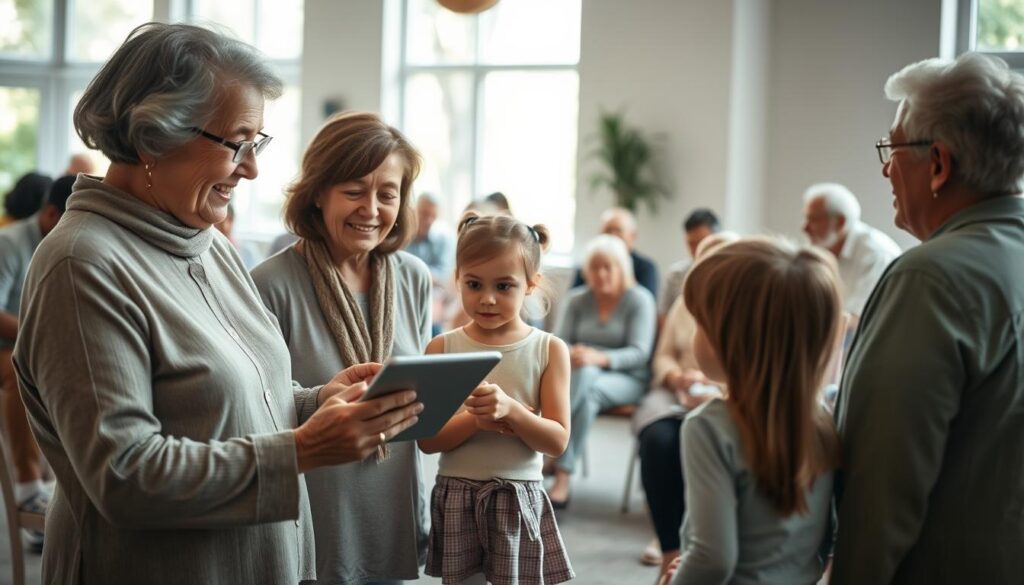
Privacy goes beyond just the photo. The personal stories shared by a Grandfriend are not for your timeline. They are like off-the-record comments, given in confidence. This is where respect gets practical.
When in doubt, I apply a simple heuristic: the New York Times test. Would your Grandfriend be comfortable seeing this detail and their photo splashed across a major publication’s front page? If there’s even a flicker of hesitation, the answer is no. This isn’t about paranoia; it’s about intentionality.
Protecting this unique bond is the ultimate sign of respect. It’s what keeps the relationship sacred and separates genuine connection from social mining. For more structured guidance on this, review the community guidelines on respectful documentation.
The magic of these intergenerational friendships is their resistance to quantification. Their value isn’t measured in likes. By prioritizing consent and privacy, you’re not just being polite. You’re actively safeguarding the quiet magic that makes a Grandfriend so special in the first place.
How to Volunteer as a Family
The modern family calendar is full of conflicting plans. This is why volunteering together needs a new approach. The old way, showing up together at a senior center without a plan, is outdated.
Studies from AFP and Volunteer Peterborough show the main barriers: time, getting there, and wanting to do something meaningful. Your family isn’t lazy. You’re just focused on doing things efficiently. The new way of volunteering understands this.
Think of volunteering as applied family teamwork. Look for small tasks or specific projects. These are like quick, precise actions. Can your family help with one game social event a quarter? Or can you make twenty activity kits at home next Saturday?
Programs like AFP’s “Senior Connectors” and “Big G” are great examples. They offer clear tasks with a start and end. You’re not just filling a slot. You’re using your family’s skills together.
This change from vague to specific is key. The table below shows the difference:
| Model | Time Commitment | Project Scope | Family Skill Utilized |
|---|---|---|---|
| Traditional Soup Kitchen | Open-ended, weekly | Broad, repetitive task | General helpfulness |
| Modern Micro-Volunteering | 2-3 hours, quarterly | Single event (e.g., game social) | Event planning, social facilitation |
| Modern Project-Based Role | Flexible, at-home | Tangible output (e.g., activity kits) | Logistics, crafting, organization |
See the difference? The last two models fit today’s families better. They make getting there and managing time easier.
The real lesson for your kids is about civic engineering. They learn how communities work and how to improve them. This is practical empathy that benefits everyone at the senior center and at home.
Upcoming Dates and How to Stay Informed
Finding the right intergenerational programs can be tough. It’s like searching for a signal in a digital storm. The real info is in the community, not just on apps.
Go straight to the source. Bookmark sites like the Age-friendly Peterborough website. Its Senior Service Directory and event calendar are full of useful info. Also, sign up for newsletters like “Friends of Age-friendly Peterborough.” It’s like getting the Coachella lineup for community events.
Mark important events on your calendar. The Active Living Fair in March and the Seniors Showcase in June are key. These events are where intergenerational programs often start. For ideas on event themes, check out groups that focus on these connections.
Staying informed is the first step. It turns you from a spectator to a participant in building connections. Your calendar is now a powerful tool for creating a community that includes everyone.