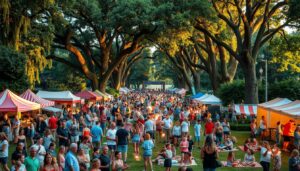
Ever wonder why some communities just feel more creative than others? Let’s explore what makes artistic education so important.
This isn’t just about finger-painting. It’s about building cognitive pathways through hands-on learning. It turns blank canvases into challenges to solve.
Our method combines thinking skills with creativity. It’s like Montessori meets modern art. Every clay sculpture and color choice boosts confidence.
Why is this key for kids? Creative expression is more than just fun. It lays the groundwork for critical thinking and emotional intelligence that lasts forever.
Types (Painting, Sculpture, Crafts)
Ever tried explaining Rothko to a toddler? That’s the beautiful chaos we embrace in our family art classes Clarkston. We don’t just teach techniques – we decode the DNA of artistic expression across three distinct realms.
Painting is where emotions get a color palette. It’s not about staying within lines but understanding why Van Gogh’s stars swirl and Pollock’s drips dance. We give you the brushes, but you paint the narrative.
Sculpture transforms imagination into tangible reality. It’s three-dimensional storytelling where clay becomes characters and found objects evolve into philosophical statements. Think Michelangelo meets modern installation art.
Crafts? Where everyday materials achieve artistic enlightenment. We turn egg cartons into avant-garde sculptures and bottle caps into mosaic masterpieces. It’s sustainability meeting creativity at the intersection of practical magic.
Our approach balances:
- Technical foundation with creative freedom
- Historical context with contemporary application
- Individual expression with collaborative energy
Whether you’re exploring painting techniques or assembling sculptural wonders, each medium offers unique cognitive benefits. Painting enhances emotional intelligence, sculpture develops spatial reasoning, and crafts foster problem-solving skills.
The true magic happens when these disciplines converse. A painted sculpture? A crafted painting? We encourage cross-medium experimentation because art, like life, refuses to stay in neat categories.
Age Group Offerings
Handing a toddler a paintbrush is either genius or madness. We think it’s genius, with the right approach. Our age-specific arts and crafts programs turn chaotic creativity into developmental gold.
Age matters in creative expression. A three-year-old’s art looks different from a thirteen-year-old’s. Both are valid and important, needing different approaches.
Our programs are like educational Russian nesting dolls. Each stage builds on the last, revealing new abilities. Here’s how we break it down:
Tiny Picassos (Ages 2-4)
This isn’t just art—it’s sensory exploration. Toddlers learn about textures, colors, and cause-and-effect through guided activities. That spaghetti-like scribble? It’s actually a neural pathway forming.
We focus on:
- Sensory development through textured materials
- Color recognition games
- Basic shape manipulation
- Social skills through shared creative space
Emerging Artists (Ages 5-7)
When children start understanding representation, magic happens. That circle with eyes? It’s Mommy! We channel this leap into structured projects that build:
- Fine motor skills through precise cutting
- Pattern recognition
- Basic storytelling through art
- Confidence in creative decision-making
Young Masters (Ages 8-12)
This is where technical skill meets imagination. We introduce actual techniques while keeping childhood creativity alive. The results often surprise adults.
Key focuses include:
- Introduction to art history concepts
- Mixed media experimentation
- Project planning and execution
- Critical thinking through art critique
Teen Innovators (Ages 13-17)
Beyond crafts, we’re building future designers and problem-solvers. Teens explore art as communication and develop portfolios that could actually get them somewhere.
This stage emphasizes:
- Portfolio development
- Digital-art integration
- Art as social commentary
- Professional techniques and materials
| Age Group | Key Developmental Benefits | Sample Projects |
|---|---|---|
| 2-4 years | Sensory integration, color recognition | Finger painting, play-doh sculptures |
| 5-7 years | Fine motor skills, pattern recognition | Collage making, simple pottery |
| 8-12 years | Problem-solving, technical skills | Watercolor techniques, mosaic art |
| 13-17 years | Concept development, critical analysis | Portfolio projects, digital design |
The beauty of age-specific arts and crafts for kids is meeting children where they are. That toddler smearing paint isn’t making a mess—they’re building cognitive frameworks. The teen perfecting their shading technique isn’t just drawing—they’re developing discipline and attention to detail.
We’ve seen the progression firsthand: the two-year-old who graduates from finger paints to detailed drawings. The eight-year-old who discovers perspective. The fifteen-year-old who creates political art. This isn’t just childcare—it’s civilization-building, one glitter-covered project at a time.
Our philosophy? Every age has its appropriate creative challenges. The right arts and crafts program doesn’t just teach technique—it aligns with developmental stages to maximize both fun and growth.
Because ultimately, we’re not just teaching kids to make art. We’re teaching them to think like artists. And the world always needs more of those.
Registration & Fee Details
Art class registration is easy and fun, like coloring. Our family art classes Clarkston process is simple and straightforward.
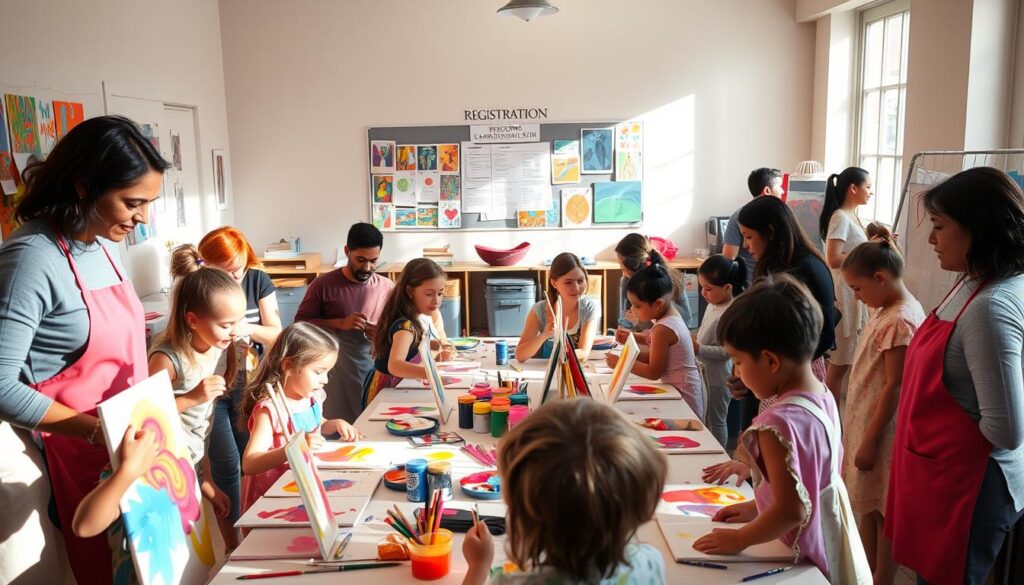
Our prices are fair. You’re not just paying for materials and lessons. You’re investing in your family’s creativity and making memories.
Our fees are divided into three levels:
- Single Session – Great for trying art
- 4-Class Package – Ideal for skill growth
- 8-Class Semester – For deep creative dives
We keep classes small for better focus. This way, everyone gets more attention and better results. But spots fill up fast, like during a popular art event.
Sign up online, first come, first served. It’s easy: just create an account, pick your classes, and start creating. We accept all major cards and offer payment plans to make art affordable.
Here’s what you get for your money:
| What You Pay For | What You Get | Why It Matters |
|---|---|---|
| Professional instruction | Expert artists and educators | Quality guidance beats YouTube tutorials |
| Premium materials | Artist-grade supplies | Better tools create better results |
| Studio maintenance | Clean, inspiring space | Because creativity needs the right environment |
| Administrative support | Hassle-free experience | So you can focus on art, not paperwork |
We offer discounts for siblings. Military families and educators get special rates too. We believe everyone deserves to create.
Wondering if our family art classes Clarkston are worth it? Think about it. You’re buying more than art lessons. You’re investing in quality time, creativity, and lasting memories. That’s priceless.
Seasonal/Themed Workshops
Seasonal workshops are more than just fun activities. They are like time capsules filled with arts and crafts for kids. Autumn pumpkin painting, for example, is like the Renaissance art of chiaroscuro, but with more orange and less worry.
These themed sessions are special because they connect us to our past. They let kids make new traditions while having fun. It’s like anthropology, but with glitter glue.
Our winter snowflake workshops teach kids about fractal geometry with paper and scissors. Spring flower arranging is a lesson in color and science. Each season offers a new world of creativity.
These projects are not random. They are designed to link kids to cultural and natural cycles. A pumpkin is not just a pumpkin; it’s a way to learn about harvest traditions worldwide.
The magic is when kids see they’re part of something bigger. That snowflake they cut? It’s connected to snowfalls in Alaska and Norway.
We’ve made these seasonal experiences part of our seasonal programs. They teach kids to be creative and adapt. A child who paints a pumpkin in October can sculpt a clay heart in February. Each project builds new skills and honors the season.
The best part? These workshops make learning fun. Kids learn about culture, develop their fine motor skills, and explore art without realizing they’re learning. It’s like holiday magic, but with better results and less mess than most tricks.
Parents & Me Crafting Events
Who knew glue sticks could become the ultimate family bonding tool? At our Parents & Me events, we’ve seen how ordinary afternoons turn into unforgettable memories.
The benefits are almost as sticky as the glue itself. Making things together helps kids’ brains grow while giving parents a break from screens. It’s about real eye contact, not just screens.
I remember a father and daughter making a papier-mâché volcano. It erupted, and the mess was priceless. But the laughter? Even more priceless.
These classes in Clarkston aren’t about being perfect. They’re about the fun, imperfect moments that become family stories. That wonky clay bowl will be a family treasure for years.
The way kids lead and parents play is fascinating. It’s like therapy, but with better decorations.
And yes, we’ve learned to manage the glitter. But the real explosion is the creativity that happens when families make things together.
These events show that simple things like paper and paint can create deep, beautiful connections between people.
What Materials are Provided
We don’t just provide art supplies; we curate them like a museum. Why choose basic when you can have the best? Our goal is to inspire creativity with the right materials.
Our paints are top-notch, even Bob Ross would approve. They’re safe for kids to use. Our brushes are made from natural fibers, perfect for holding color and easy to clean.
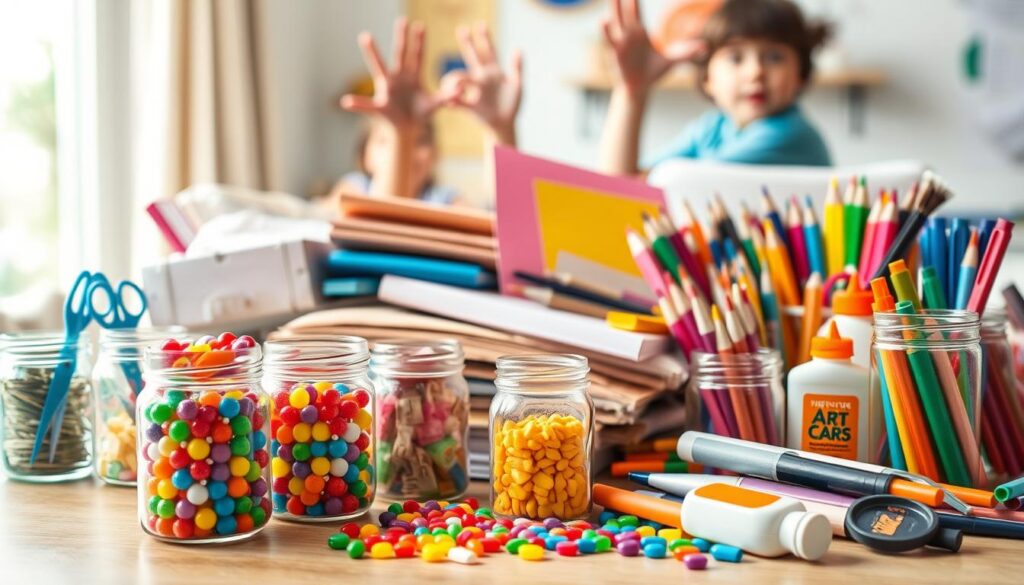
Our clay is special. It’s eco-friendly and safe for kids. It’s made from sustainable sources and is good for the planet. It’s also great for little hands to practice their motor skills.
Choosing paper is an art in itself. We offer different types for various crafts. We also use recycled paper to teach kids about sustainability in arts and crafts for kids.
Here’s what else we provide:
- Plant-based glitter that’s safe for the planet
- Wooden tools that are safe for kids
- Natural dye kits for creative projects
- Reusable containers to reduce waste
Our kits turn everyday afternoons into art sessions. Parents love not having to find supplies. Kids get to use professional materials in our arts and crafts for kids programs.
We make it easy for you to watch your kids create. Great art starts with the right materials and a bit of mess.
Photo Sharing Tips
Let’s be honest: if a masterpiece gets created in a studio and nobody posts it, did it really happen? In our digital age, sharing your family’s artistic journey is part of the fun. It’s not about vanity; it’s about connection.
Good photography can turn a cute clay monster into a museum-worthy exhibit. Bad lighting can make the Sistine Chapel look like a toddler’s scribble. Here’s how to make your family art classes Clarkston creations look absolutely iconic.
Natural light is your best friend. Avoid harsh overhead lights that create shadows. A window on a cloudy day provides perfect, soft illumination. No one wants their pottery looking like it emerged from a cave.
Turn off your flash. Always. The goal is to showcase the art, not create a glare that could be seen from space.
Find Your Angle
Get on the same level as the artwork. Shoot flat lays from above for 2D pieces. For sculptures, walk around it. Find the angle that tells the story.
Include a tiny bit of the creative environment. A paint-splattered tablecloth or a stack of brushes in the background adds context and authenticity.
The Hashtag Game
This is where you find your people. Generic tags are a black hole. Specific, community-driven tags connect you with other local creators.
Here’s a quick guide to building your post for maximum impact:
| Do This | Not That | Why It Works |
|---|---|---|
| #ClarkstonArts | #Art | Locally focused, builds community |
| #FamilyArtClass | #Painting | Describes the specific experience |
| #KidsCreativity | #Fun | Highlights the child’s role & outcome |
Your caption matters too. Tell a mini-story. “Leo conquered the pottery wheel today #FamilyWin” is far more engaging than just listing hashtags.
Remember, the goal is to document the joy of creating together. Your photos are the digital scrapbook of your family’s creative journey in family art classes Clarkston. Now go forth and share your little masterpieces with the world.
Community Showcases
In a world where public art often means corporate-sponsored sculptures, our community showcases offer something radically different. We turn Clarkston into a living gallery. Here, our children become the featured artists.
Remember those municipal walls that used to blend into the urban background? Now, they’re vibrant canvases. They display the unfiltered creativity of our youngest residents. It’s like Banksy meets kindergarten, but with more glitter and better public reception.
Why does this matter? Art shouldn’t be confined to sterile galleries or privileged private collections. When a child’s painting brightens a local street corner, it transforms art. It becomes public dialogue. It’s democracy in watercolor form.
Our past events have featured everything from mosaic park benches created by 8-year-olds to murals that make utility boxes look like treasure chests. The future holds even more ambitious projects—imagine bus stops decorated with ceramic tiles from our arts and crafts for kids programs.
What’s the real magic here? It’s watching adults pause during their hurried commutes to actually see their surroundings. That moment when a businessman stops to examine a 7-year-old’s interpretation of the town square? That’s cultural evolution in action.
These showcases do more than decorate our streets. They build community pride, foster intergenerational connections, and prove that the most meaningful art often comes from the smallest hands. Isn’t it time we valued childhood creativity as much as we value stock portfolios?
The next time you walk through Clarkston, look beyond the obvious. Those aren’t just colorful walls—they’re conversations waiting to happen. All thanks to our vibrant arts and crafts for kids community.
Registration Checklist
Ready to turn chaos into creativity? Let’s Marie Kondo your way to a perfectly prepared registration for family art classes Clarkston. Does the process spark joy? It will now.
First, verify your dates. Miss a deadline and you’re sketching outside the lines. Cross-reference the official registration guide like it’s the last season of your favorite show.
Next, gather your supplies—both mental and physical. Confirm fees, check age group slots, and maybe even bribe your future artist with a post-class snack. Pro tip: digital forms love Wi-Fi.
Lastly, double-check everything. Did you pick the right family art classes Clarkston workshop? Is your contact info sharp? Remember, it’s about participating, not perfection.
Now go make something messy. We’ll be here, admiring your organized brilliance.