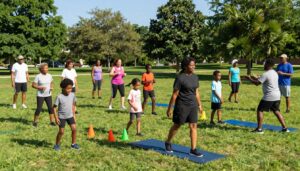
Local governments across Oakland County face shifting demographic realities. Aging populations require municipal recreation departments to adapt their service models. Independence Township parks planners recognize this shift and have developed physical activity frameworks expressly for older adults. This initiative, often referred to locally as the “Silver Streak,” prioritizes accessible, low-impact exercise formats. Recreation planners rely on demographic forecasting to fund and schedule these classes, matching public resources directly with community demand.
The aging population in Michigan represents a demographic reality requiring municipal action. Older adults make up a significant percentage of the local tax base. They expect and require services matching their physical needs. Independence Township officials analyzed these statistics during recent budget cycles. They concluded passive recreation models no longer serve the community adequately. The township launched a series of active fitness interventions structured for aging bodies.
The Intersection Of Municipal Planning And Public Health
Integrating healthcare concepts into municipal parks planning represents a major shift in public administration. Past decades saw parks departments primarily focused on youth sports leagues and playground maintenance. Today, the focus includes extending the quality of life for senior citizens. Funding the Silver Streak program requires careful allocation of township resources. Administrators analyze participation rates from previous seasons to justify hiring specialized fitness instructors.
These instructors possess certifications in senior fitness and geriatric movement. Their expertise guarantees the physical safety of participants. Moving tax dollars toward preventative health measures creates measurable value for the community. Keeping seniors active reduces the strain on local emergency medical services. A community filled with active, mobile older adults experiences fewer fall-related emergency calls. This proactive approach to municipal management turns community centers into preventative health hubs. Townships across the Midwest look at this model as a standard for localized public health intervention.
For a behind-the-scenes look at how this community-first approach operates locally, check out this overview from Independence Township’s own Parks, Recreation, and Seniors department.
Measuring The Medical Impact Of Age-Appropriate Physical Activity
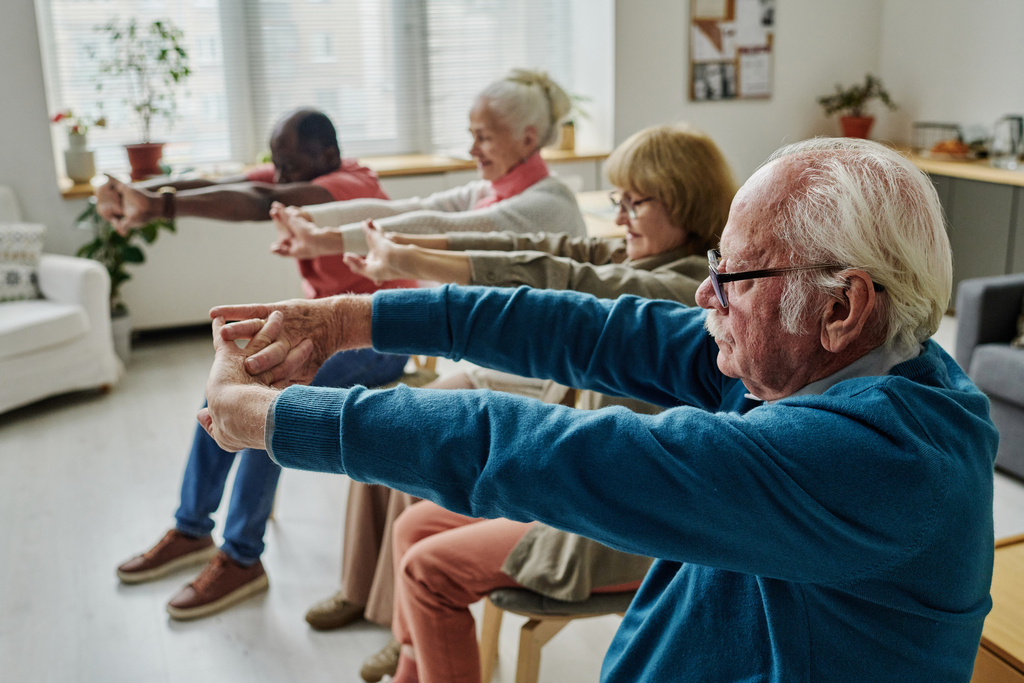
Routine physical activity serves a functional medical purpose for aging adults. Regular participation in structured fitness routines mitigates the risks associated with osteoporosis and cardiovascular decline. Current evidence-based physical activity guidelines indicate that regular strength training preserves bone density and improves balance. Local recreation schedules now reflect these clinical realities through resistance band training, chair yoga, and water aerobics. Instructors modify movements based on individual participant limitations, allowing seniors of varying ability levels to complete a safe cardiovascular workout.
Medical professionals consistently prescribe movement as a primary treatment for age-related physical decline. The classes offered in Independence Township target distinct physiological needs. Resistance band routines build the muscular strength required for daily tasks like carrying groceries or climbing stairs. Chair yoga sessions focus on joint mobility and spinal flexibility. Participants report decreased joint stiffness after consistent attendance. Aquatic classes provide cardiovascular exertion without placing stress on aging knees and hips. The buoyancy of water creates a safe environment for residents recovering from minor surgeries or dealing with arthritis.
Integrating Outdoor Spaces With Structured Indoor Classes
Indoor community centers provide a controlled environment for group classes. Outdoor infrastructure plays an equal role in health outcomes. The walking trails at Clintonwood Park and Sashabaw Plains offer paved, flat surfaces suited for older adults with mobility limitations. Community administrators continually evaluate park safety and usage patterns to guarantee these paths remain accessible. Regular paving schedules prevent trip hazards from forming. Benches placed at regular intervals offer resting spots for those building their endurance.
Similar municipal assessments shape broader township planning, echoing how ecological reviews inform local conservation efforts across our nature reserves. Seamless integration between indoor facilities and outdoor trail networks gives seniors multiple avenues for daily exercise. The physical design of a park dictates who uses it. Independence Township prioritizes universal design principles in their outdoor spaces. Curbless transitions from parking lots to walking paths assist those using walkers or canes. Shaded pavilions offer relief from the summer sun during outdoor tai chi sessions.
A clear view of popular activities helps residents plan their weekly routines.
| Fitness Program | Primary Benefit | Recommended Frequency | Location Focus |
| Chair Yoga | Joint mobility and flexibility | Twice weekly | Senior Community Center |
| Resistance Band Training | Muscle mass preservation | Three times weekly | Senior Community Center |
| Paved Trail Walking | Cardiovascular endurance | Daily | Clintonwood Park |
| Aqua Aerobics | Low-impact resistance | Twice weekly | Local Partner Pools |
Analyzing The Psychological And Social Benefits Of Group Exercise
Physical health outcomes represent just one metric of success for these programs. Group exercise settings naturally create regular social interactions among participants. This routine socialization combats isolation, a known risk factor for cognitive decline in older adults. Attendance logs from morning fitness sessions indicate high retention rates, suggesting participants value peer connections equally to the physical workout. The township’s focus on group-based activity formats deliberately targets both physical and mental well-being simultaneously, a strategy that is strongly supported by research on the health benefits of exercise and physical activity.
Retiring from the workforce often severs long-standing social networks. Older adults sometimes struggle to build new friendships later in life. Scheduled fitness classes provide a predictable, low-pressure environment for meeting neighbors. Instructors frequently observe participants organizing coffee meetups after their morning stretch routines. These informal social networks provide emotional support during difficult life transitions. A strong sense of community belonging directly correlates with lower rates of depression among aging populations. The community center acts as a social anchor for residents who might otherwise spend their days alone.

Evaluating The Economic Value Of Preventative Recreation
Public recreation programs require taxpayer funding. Skeptics sometimes question the financial return on municipal fitness initiatives. Data increasingly supports the economic logic of keeping older populations physically active. Healthy seniors spend money at local businesses and pay property taxes. They require fewer costly municipal interventions. A community designed for active aging attracts retirees looking for a permanent home. This demographic stability strengthens the local housing market.
Funding a chair yoga instructor costs a fraction of the municipal resources required to handle a surge in emergency medical responses. Parks and recreation departments operate as economic drivers by maintaining the health of the most reliable demographic in the township. Preventative recreation proves highly cost-effective when analyzed over a multi-year budget cycle.
Future Directions For Independence Township Aging Adults
Recreation planning requires continuous adaptation based on resident feedback and attendance data. The coming years will introduce new fitness modalities suited for active agers. Township officials plan to expand the current schedule to accommodate growing waitlists for popular morning sessions. Investing in senior recreation infrastructure supports long-term public health goals and improves the daily quality of life for long-time residents of Independence Township.
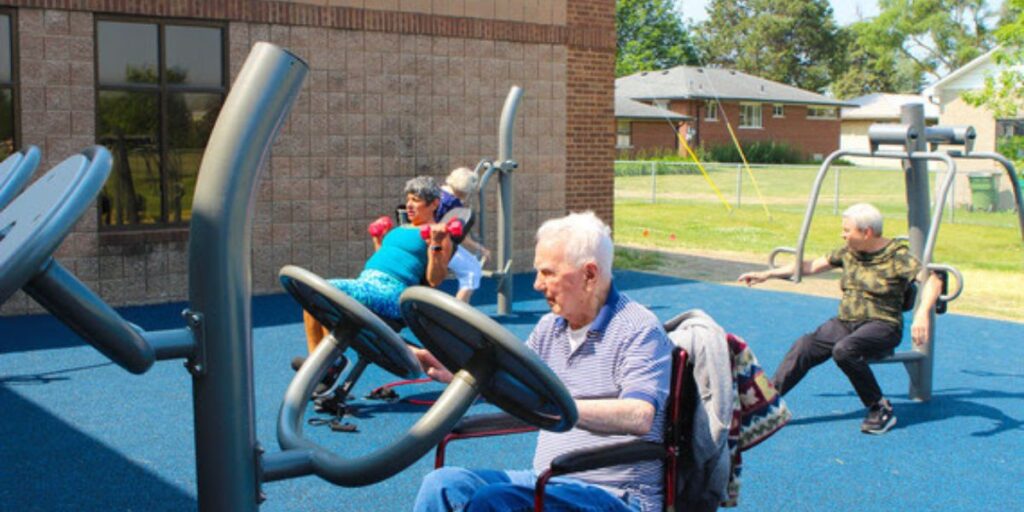
Planners are currently reviewing proposals for expanded outdoor fitness equipment designed exclusively for seniors. These permanent installations would allow residents to perform guided resistance exercises along the walking trails at Clintonwood Park. The success of the Silver Streak initiative provides a clear roadmap for future investments. Prioritizing the physical and mental health of older adults remains a central pillar of Independence Township’s operational strategy.