
Spring break often creates a familiar challenge for families: how to keep children active, engaged, and learning while school is out. In Clarkston and the surrounding Oakland County area, one of the most practical solutions is the Spring Break Camp scheduled for March 30 through April 2/3, 2026.
Designed to combine recreation, creativity, and social development, the camp offers a structured environment where children can explore new interests while building friendships. For parents seeking a productive alternative to screens and idle time, programs like this play an important role in community recreation and youth development.
According to the mission of Independence Township Parks, Recreation & Seniors (ITPR), local programs aim to help families connect, explore, and learn through safe and accessible recreational experiences.
Why Spring Break Camps Matter for Families
School holidays provide valuable downtime for children, but they also create logistical challenges for working parents. Spring break camps help bridge this gap by offering a supervised setting where kids can stay physically active and socially engaged.
Beyond convenience, these programs deliver measurable benefits. Youth recreation programs often incorporate elements of physical activity, creative expression, and collaborative learning. Research highlighted by organizations such as the American Camp Association shows that camp experiences help develop confidence, independence, and social skills in children.
For many families in the Clarkston area, a short seasonal camp offers the perfect introduction to structured youth programming before the longer summer camp season begins.
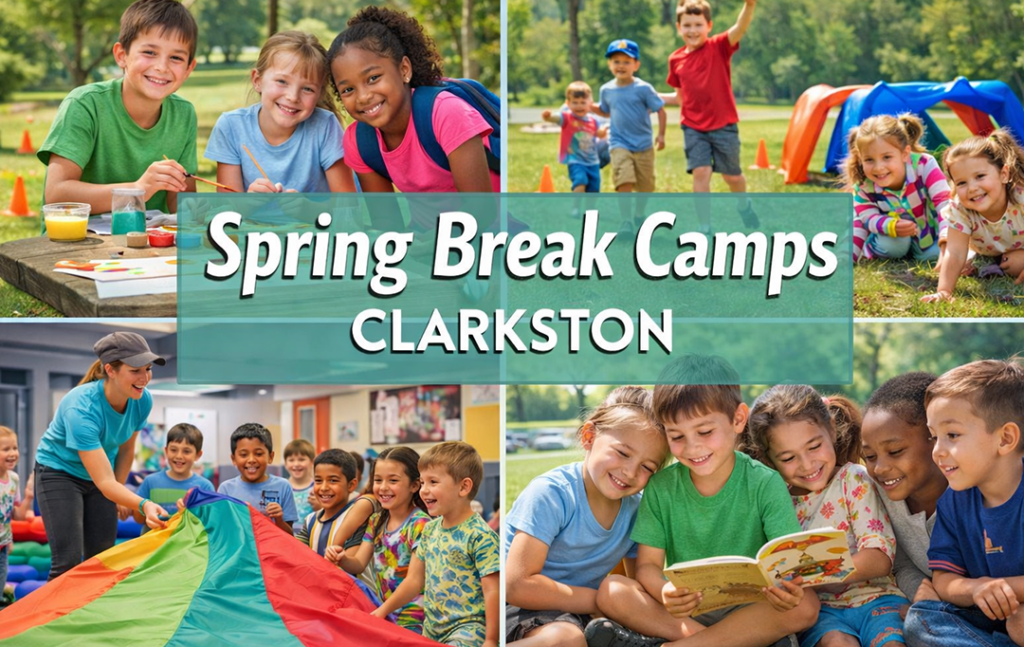
What Kids Experience at Spring Break Camp
The Spring Break Camp running from March 30 through early April 2026 focuses on hands-on experiences and interactive learning. Camps of this type typically combine recreational activities with educational elements that encourage curiosity and creativity.
Campers often participate in a mix of activities that may include:
- Creative crafts and hands-on projects
- Outdoor games and recreational challenges
- Team-based activities that build cooperation
- Storytelling, discovery, and themed learning exercises
Programs like these aim to create an environment where learning happens naturally through play and exploration. In many cases, children experience activities that they might not encounter during a normal school week.
Spring camps also provide an excellent testing ground for parents evaluating longer seasonal programs. Short camps give families the chance to see how children respond to group learning environments and structured recreation before committing to a full summer schedule.
A Structured Week Designed for Exploration
Unlike unstructured school breaks, a well-planned camp week follows a rhythm that keeps children energized while maintaining balance throughout the day.
A typical day might include a blend of creative workshops, outdoor play, and collaborative games. By alternating physical and creative activities, camps maintain high engagement levels while preventing fatigue or overstimulation.
This format reflects a broader philosophy in youth recreation: children thrive when they can move between different types of experiences. A morning spent on active games may transition into crafts or storytelling sessions in the afternoon, keeping the atmosphere dynamic and engaging.
These structures mirror many of the successful elements seen in longer youth camps across the country, where the combination of movement, creativity, and teamwork produces lasting developmental benefits.
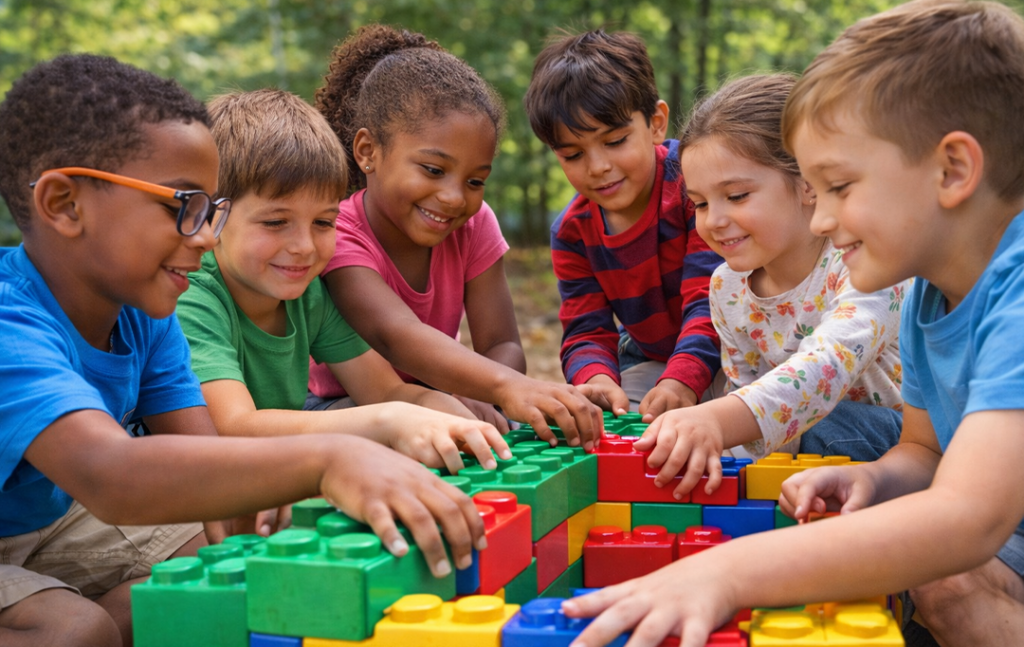
Social Growth Through Shared Experiences
One of the most valuable aspects of any camp environment is the opportunity for children to interact with peers outside the traditional classroom setting.
Camp environments encourage cooperation and communication through group activities and shared challenges. Whether children are working together to complete a project or participating in team games, they learn important social skills such as collaboration, problem-solving, and leadership.
For younger participants especially, these experiences help build confidence in new settings. Campers often return home each day with new stories, friendships, and a sense of accomplishment.
Preparing Your Child for Spring Break Camp
For families planning to enroll their children in a spring camp program, preparation helps ensure a smooth experience.
Parents typically focus on a few essentials:
- Comfortable clothing suitable for both indoor and outdoor activities
- Nutritious snacks and lunches to maintain energy throughout the day
- Water bottles to encourage hydration
- An open mindset and willingness to try new activities
Preparation also includes talking with children about what to expect. When kids understand that camp is a place to explore and make new friends, they often approach the experience with excitement rather than uncertainty.
How Spring Break Camps Support Year-Round Youth Programs
Spring break camps also play an important strategic role for community recreation departments. They serve as a bridge between winter programs and the busy summer season.
Families who participate in a short camp often discover additional programs offered throughout the year. In Clarkston, many parents eventually explore seasonal opportunities such as sports leagues, educational workshops, and longer summer camps like those described in the Clarkston summer day camps guide.
This ecosystem of programs strengthens community engagement and helps ensure that children remain active year-round.
A Meaningful Way to Spend Spring Break
Spring break does not have to mean a week of boredom or endless screen time. For many families, a structured camp experience provides the perfect balance of fun, learning, and social interaction.
The Spring Break Camp running from March 30 through April 2/3, 2026 offers children a chance to explore new interests, build friendships, and stay active during the school holiday.
More importantly, it reinforces the broader mission of community recreation: creating safe spaces where children can grow, learn, and develop lifelong skills through play and discovery.